

African Development Bank Group and Nigeria’s Federal Ministry of Water Resources and Sanitation have called for stronger public-private partnerships and increased investment to improve urban sanitation services across the country.
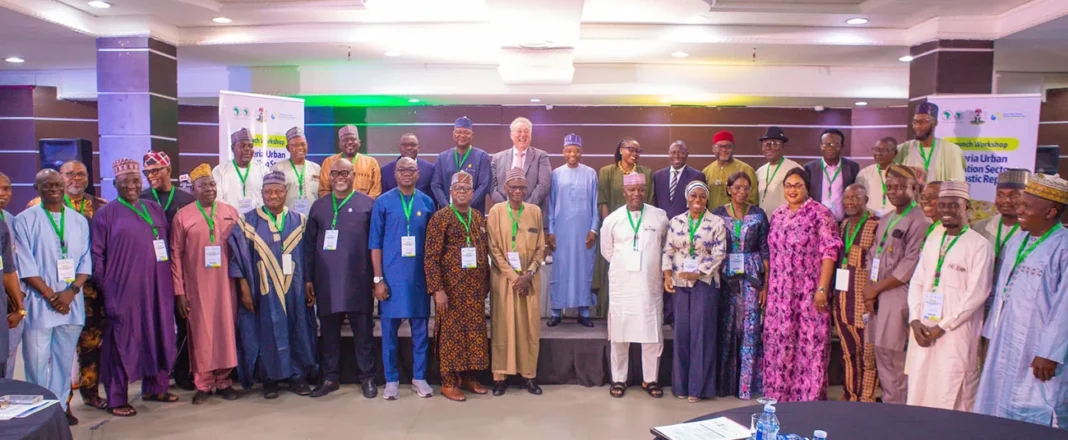
The call followed the presentation of findings from the Nigeria Urban Sanitation Sector Diagnostic Report at a stakeholders’ workshop in Abuja, where policymakers, development partners, academics, civil society organisations and private-sector representatives examined strategies for expanding access to safe sanitation in rapidly growing urban centres.
The report forms part of a broader African Development Bank-supported assessment conducted in 12 African countries to identify policy reforms and investment opportunities capable of accelerating access to urban sanitation services across the continent.
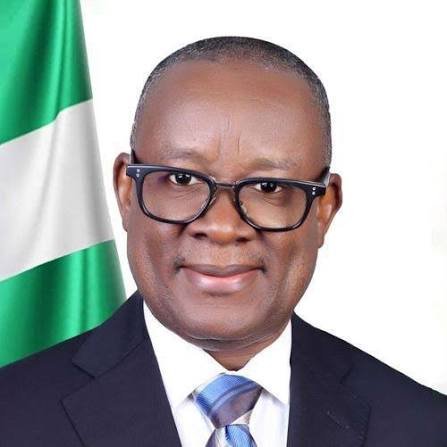
Speaking at the workshop, Nigeria’s Minister of Water Resources and Sanitation, Prof. Joseph Terlumun, stressed that addressing sanitation challenges in the country’s expanding cities would require coordinated action among governments, development partners, financial institutions and private investors.
He noted that improved governance, innovative financing mechanisms and stronger institutional collaboration would be critical to delivering sustainable sanitation services to millions of Nigerians.
Representing the African Development Bank, Lead Operations Manager, Orison Amu, urged stakeholders to move beyond planning by translating the report’s recommendations into viable investment projects capable of attracting financing and delivering measurable results.
Participants observed that improving sanitation is essential not only for public health but also for environmental protection, economic productivity and the overall quality of life in urban communities.
The workshop also highlighted the growing pressure on sanitation infrastructure as Nigeria’s urban population continues to expand, underscoring the need for greater investment and more innovative service delivery models.
Stakeholders examined options for combining conventional sewer systems with on-site sanitation solutions to accelerate service delivery, particularly in underserved urban and peri-urban communities where expanding sewer networks remains costly.
Attention was also drawn to the African Urban Sanitation Investment Initiative, a financing platform established through the African Water Facility of the African Development Bank to mobilise about $7 billion in urban sanitation investments across Africa over the next decade.
The initiative is expected to support improved sanitation services for about 15 million people, while strengthening regulatory frameworks, institutional capacity and mobilisation of both public and private financing.
Participants called for closer coordination among federal and state governments, development partners, financial institutions, civil society organisations and the private sector to ensure sanitation investments are effectively aligned and deliver sustainable results.
Over the past decade, the African Development Bank has committed more than $805 million to water and sanitation projects in Nigeria, helping to improve access to water and sanitation services for an estimated eight million people.