


By Pai Tukum
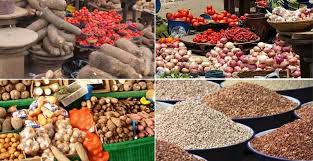
In recent months, reports have highlighted a decline in the prices of staple foods across Nigeria. At Lagos’s Mile 12 Market, a 50kg bag of rice, previously priced between N95,000 and N100,000 in January 2025, now sells for approximately N85,000. Similarly, a big basket of fresh tomatoes has seen a significant drop from N120,000 to N35,000. Other essentials like garri, maize, and beans have also experienced notable price reductions.
President Bola Tinubu has cited these decreases as indicators of economic recovery, asserting that the nation is on a path to stability. However, a closer examination reveals a more complex picture. While certain food items have become more affordable, the overall cost of living remains burdensome for many Nigerians.
Despite the reported decreases in specific food prices, the average cost of a meal remains high. Additionally, the prices of other essential commodities have not seen similar declines. For instance, the cost of cooking oil remains elevated, and cooking gas prices have not reduced significantly. Electricity tariffs continue to strain household budgets, and transportation costs have remained largely unchanged, further exacerbating the financial pressures on citizens.
These persistent expenses suggest that the recent reductions in certain food prices may not be solely attributed to government policies but could also result from seasonal factors and market dynamics. While the administration’s efforts to stabilize the economy are ongoing, the tangible impact on the daily lives of Nigerians appears limited.
In conclusion, although there are reports of declining prices for specific food items, the broader economic challenges persist. The average Nigerian continues to grapple with high living costs, indicating that the journey toward genuine economic relief is far from complete.